Speedy Justice Free of Cost Protection from Harassment Women’s Property Rights
WhatsApp: +92-318-9204808
📞 PS to Ombudsperson: +92-91-9213672
📍 Office: No. 220/212, 1st Floor, Benevolent Fund Bldg, Near Jans Bakery, Peshawar Cantt, KP
Latest Updates
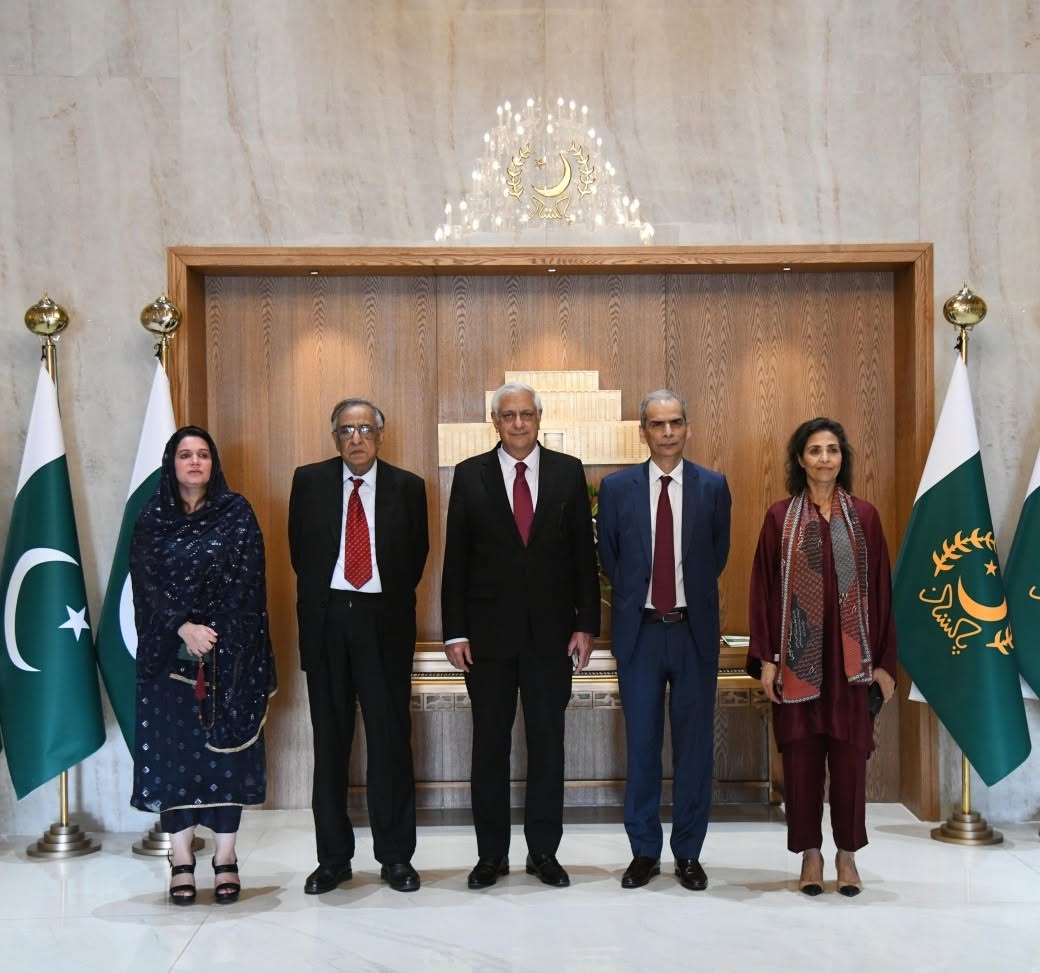
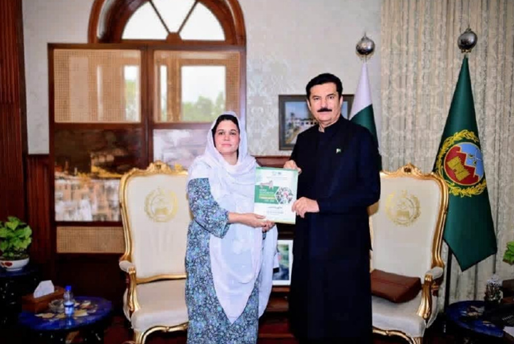
Official Visit Honourable Advisor for Law & Parliamentary Affairs Mr. Amir Javed visits Ombudsperson Secretariat KP.
Aug–Oct 2026 7,680+ Cases Heard through structured redressal with zero cost and no delay.
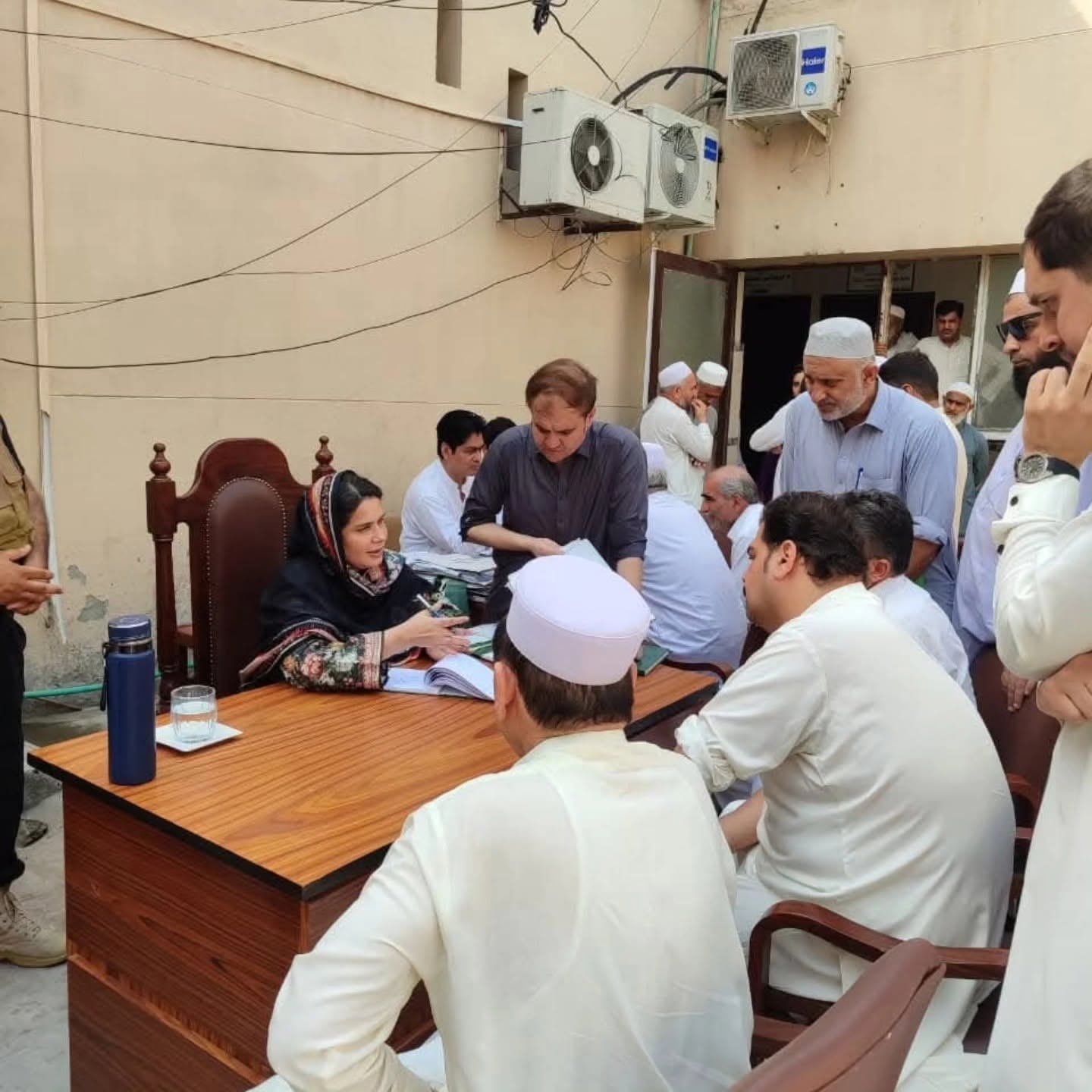
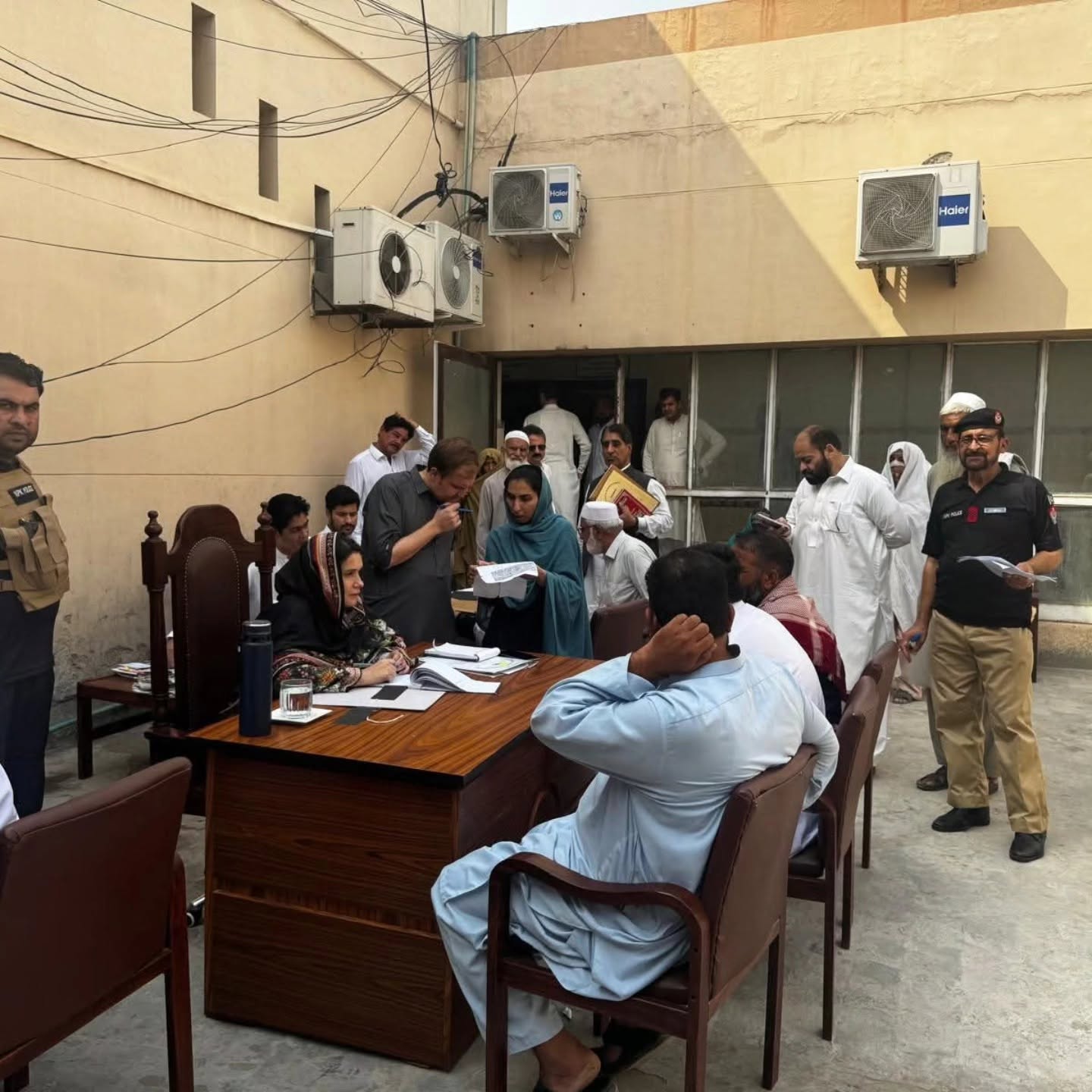
Field Commissions 80 Field Commissions deployed on-site; Rs. 138.15 Crore property handed over to litigants.
Overall Recovery Over PKR 4.1 Billion worth of property restored to rightful women owners across KP.
Daily Cause List 19,000+ Cumulative Hearings conducted with an average of 80–120 cases scheduled daily.
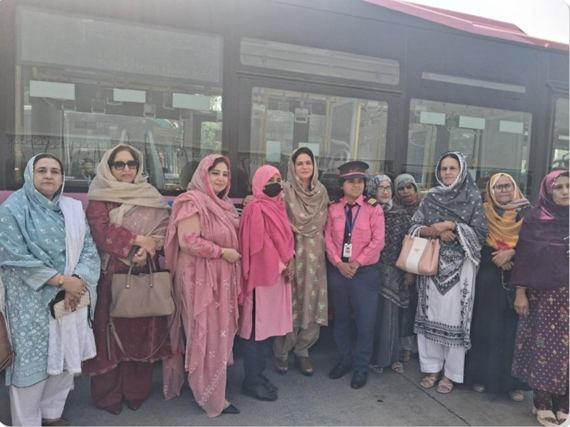
Historic First First inaugural ride of BRT Pink Bus Service joined for women's safe and dignified mobility.
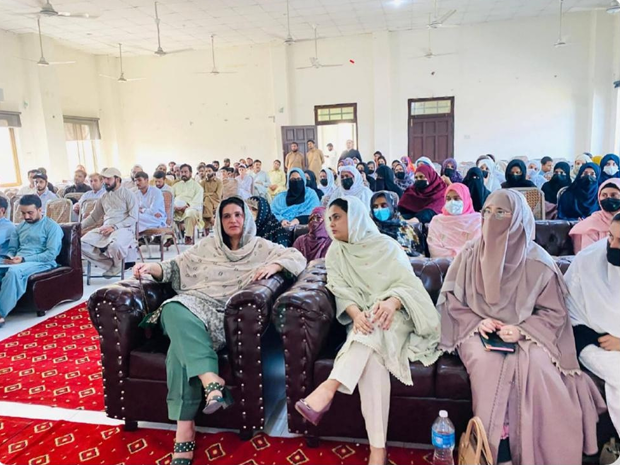
Doorstep Justice On-the-spot resolutions via Khuli Katcheries across all divisions including Bannu & D.I. Khan.

Introduction to

Ombudsperson

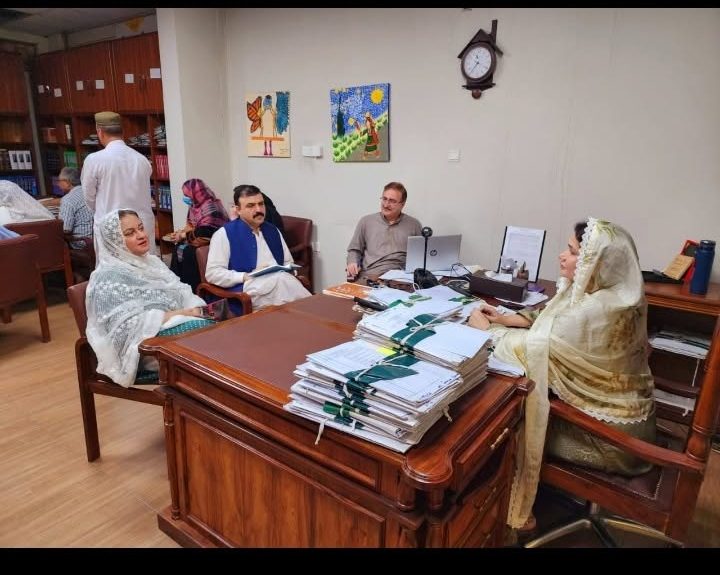
The Ombudsperson Secretariat is working to ensure gender equality, protect women’s rights, and provide access to justice across Khyber Pakhtunkhwa. Through legal enforcement, institutional coordination, and community support, we strive to create safe, inclusive, and empowering spaces for women.

CAUSE LIST "A" (OMBUDSPERSON)

Friday, 13th November, 2026

KINDLY ENSURE YOUR APPEARANCE AT 10:00 AM to 02 PM

S.No Case No Case Titled
1.6-3143Tasleem Begum Vs Amjad and Others
2.6-3162Mushtri Bibi Vs Salman Sabir
3.6-1615Hidayat Bibi Vs Rahat Khan etc
4.6-2981Ms. Noshada Vs Waqar Ahmad and Another
5.6-2984Nadia Farid Vs Sohail Ahmad and Others
6.6-2888Saima Gul Vs Safi Ur Rehman and Another
7.6-2977Haseena Vs Muhammad Usman
8.6-2976Sonia Vs Jalal Shah
9.6-2972Sumbal Vs Anwar Ali
10.6-1872Taj Mahal Vs Lal Badshah and Another
11.6-3130Najia Begum Vs Waqas Ahmad
12.6-3129Yasmeen Bibi Vs Jahangir and Others
13.6-3135Shafia Vs Asif Jamal
14.6-3131Noor Jahan Bibi Vs Akbarzai
15.6-3157Nadia Gul and Others Vs Sadiq
16.6-2731Rasheeda Begum etc Vs Anwar etc
17.6-2961Munira Bibi Vs Siraj Habib
18.6-3161Sawera Vs Khayam
19.6-1327Jamshaida Bibi Vs Hayat Gul
20.6-2326Fauzia Vs M.Haroon and Others
21.6-3016Taj Mahal Vs DPO Dir Lower Timergara and Others
22.6-3224Hira Rustam Vs Muhammad Batoor Khan
23.6-1857Sameena Bibi Vs Liaqat Bacha
24.6-55Khadija Kashif vs Afaq Ullah etc
25.6-2978Mamliqat Vs Naveed Ullah and Others
26.6-2979Jan Wari Niaz and Others Vs Zarin and Others
27.6-2980Farkhanda Naz etc Vs Masoud Babar and Others
28.6-2983Safia Bibi Vs Farid Ullah and Others
29.6-2985Malik Surriya Vs Niaz Akbar and Others
30.6-2986Salma Begum Vs Ikramullah and Others
31.6-2564Haseena Vs Zarwar etc
32.6-2563Maher Bibi Vs Rehman Ud Din
33.6-2830Aji Begum Vs Riaz and Another
34.6-2850Aqlima Bibi Vs Muhtaram
35.6-2831Mushtari and Others Vs Sabaz Ali and Another
36.6-2851Asma Hussain Vs Muhammad Yousif and Others
37.6-3137Sabeen Imran Vs Asim Rauf Sethi and Others
38.6-1802Hina Johar etc Vs Touseeq Ali etc
39.6-2644Israfia Bibi Vs Abdullah Jan and Others
40.6-2899Imtiaz Bibi and Another Vs Firdous Khan etc
41.6-1144Yasmeen Vs Aslam Khan and Others
42.6-156Humaira Murad Vs Arjumand Nazeer and Others
43.6-2971Reema Vs Shehzad Khan
44.6-2483Nasreen Bibi Vs Wazir
45.6-1781Shahida Gul etc Vs Mirza Muhammad etc
46.6-1828Minha Bibi Vs Fazal Hakeem & Another
47.6-1699Shahnaz Begum Vs Fazal Raziq etc
48.6-1932Noshaba Vs Bakhtiar Khan etc
49.6-2555Mussarat Shaheen etc Vs Ghulam Hussain
50.6-1784Sajida etc Vs Shoukat & Another
51.6-2819Farida Bibi Vs Jehanzib
52.6-2818Hina alias Gulab Bibi etc Vs Warra Bibi etc
53.6-2068Meher Shaida Bibi Vs Ziaullah etc
54.6-1728Irum Mujtaba Vs Munir Ahmad Sheerazi etc
55.6-2474Shahnaz Vs Nadeem
56.6-2382Lubna Vs Ayub etc
57.6-1900Sadia Vs Sareerullah etc
58.6-2203/2204Shagufta Vs Yousaf Ud Din etc
59.6-2149Zeenat Taj Vs Tahseen Ullah etc
60.1-165Sadaf Ilyas Vs BOG Ayub Medical College

Statistics of Cases ( Tentative )

Milestones Achieved

PROGRESS

Cases Registered
0 +
Completed
0
Harassment
0 +
Property
0 +
Inquire Committees​
0 +
Khyber Pakhtunkhwa Ombudsperson

Property worth approximately PKR 4.1 Billion has been successfully restored to its rightful owners.

Delivering prompt administrative relief, securing women's property and inheritance rights, and upholding the rule of law across Khyber Pakhtunkhwa through active on-ground investigations.
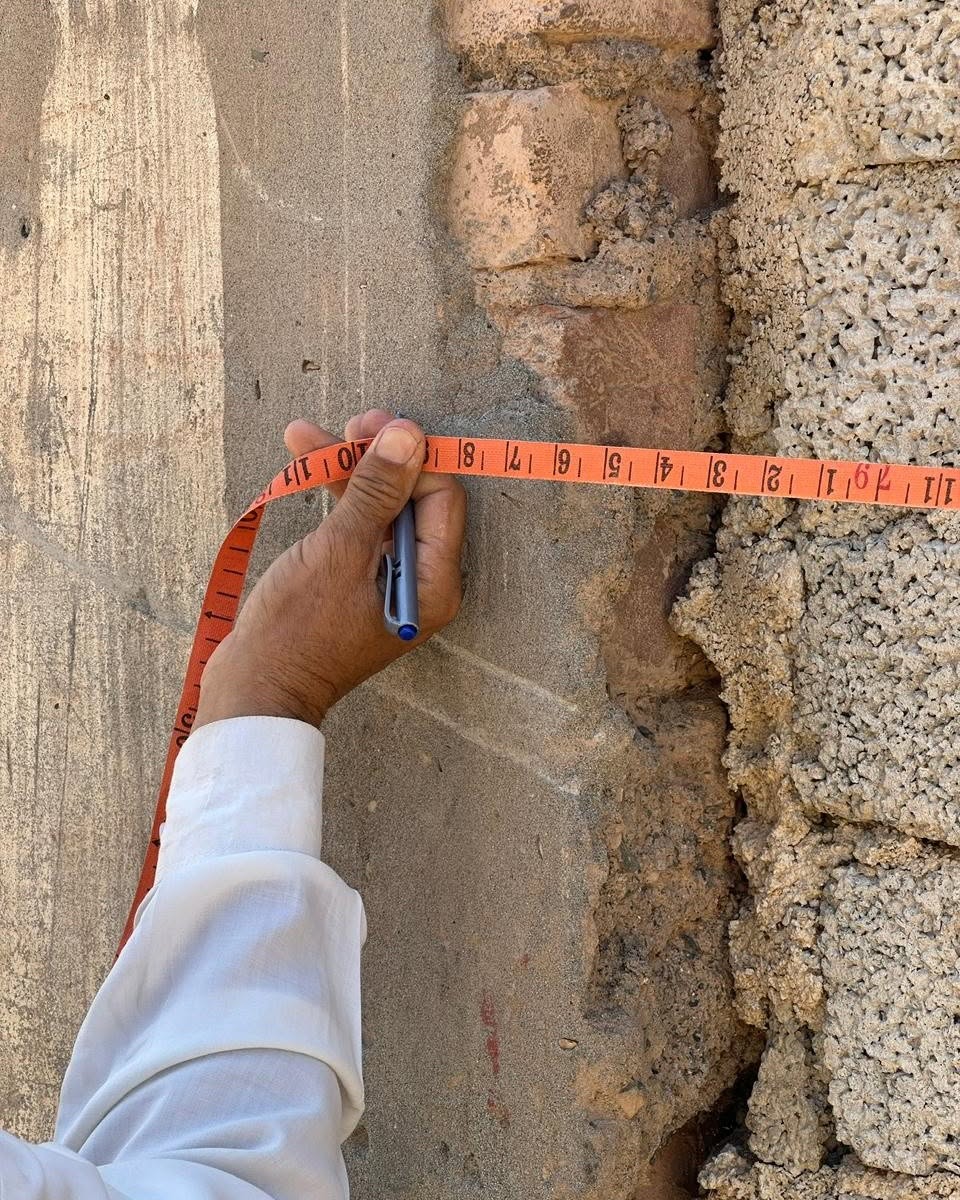
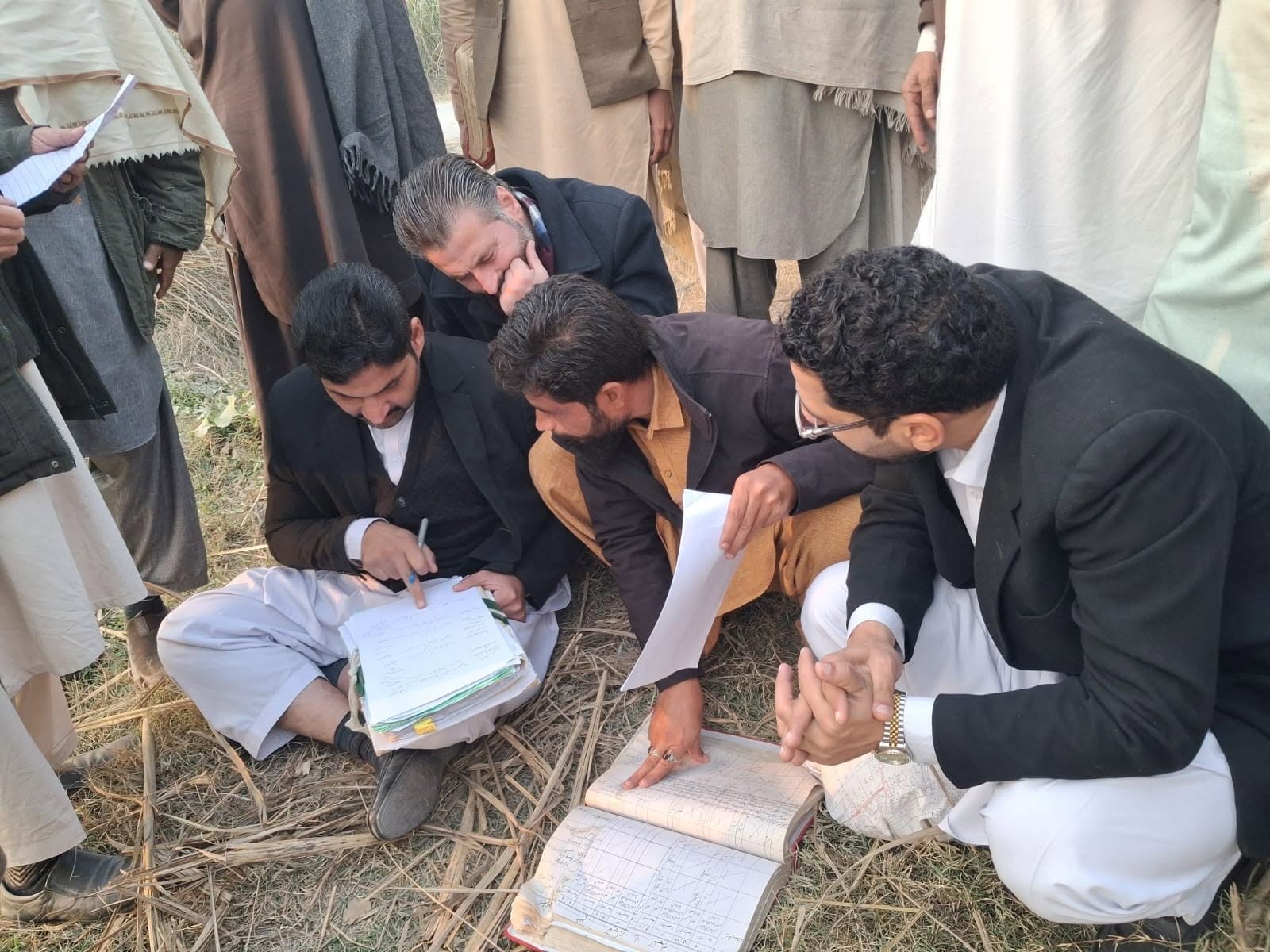
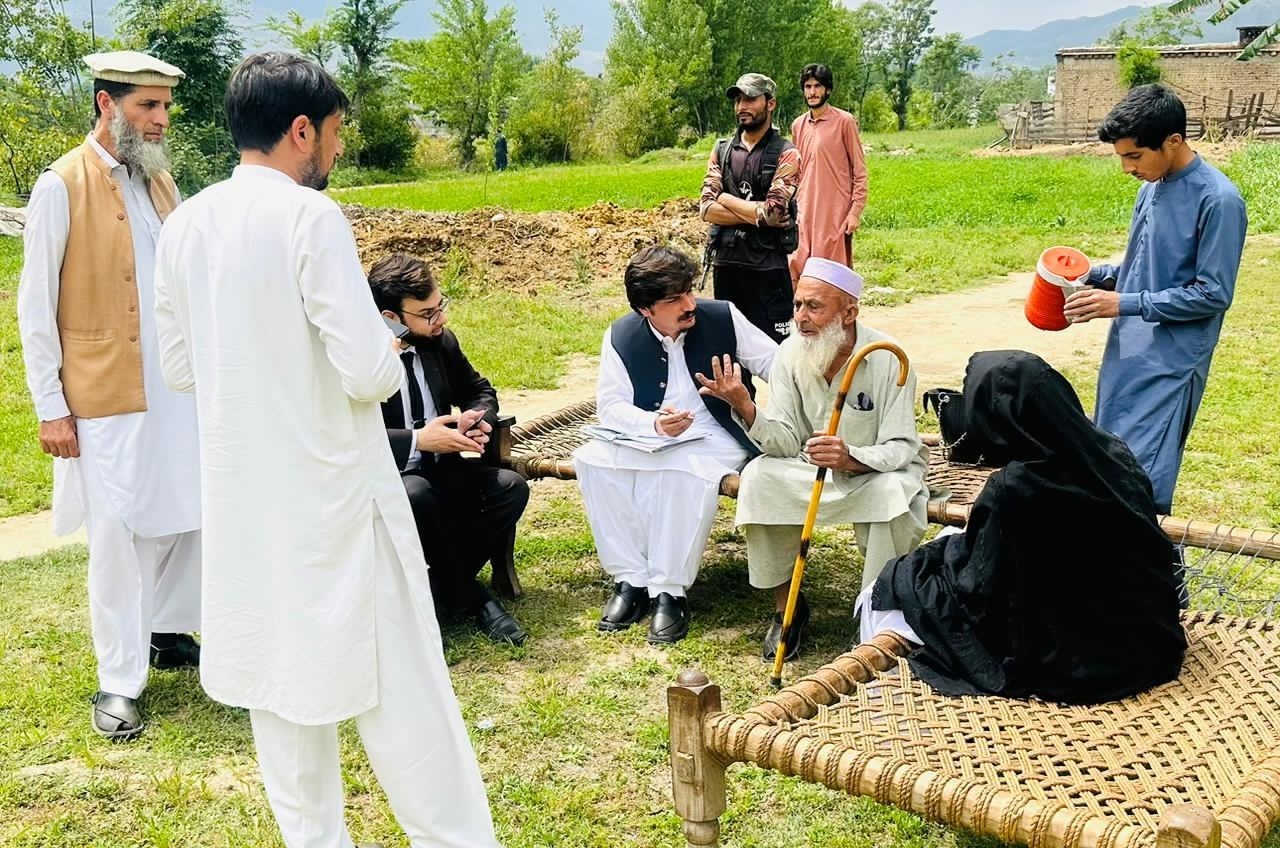
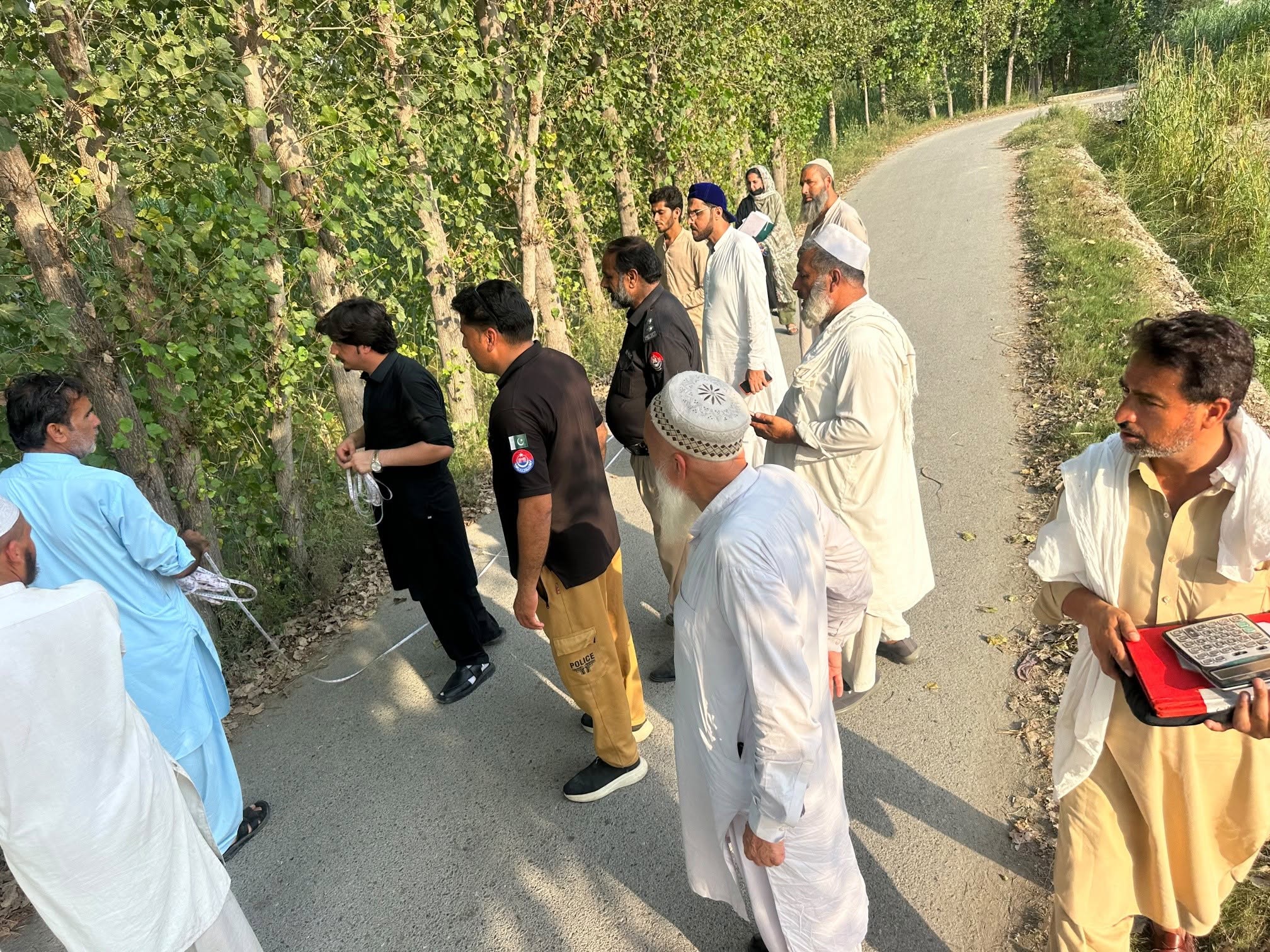
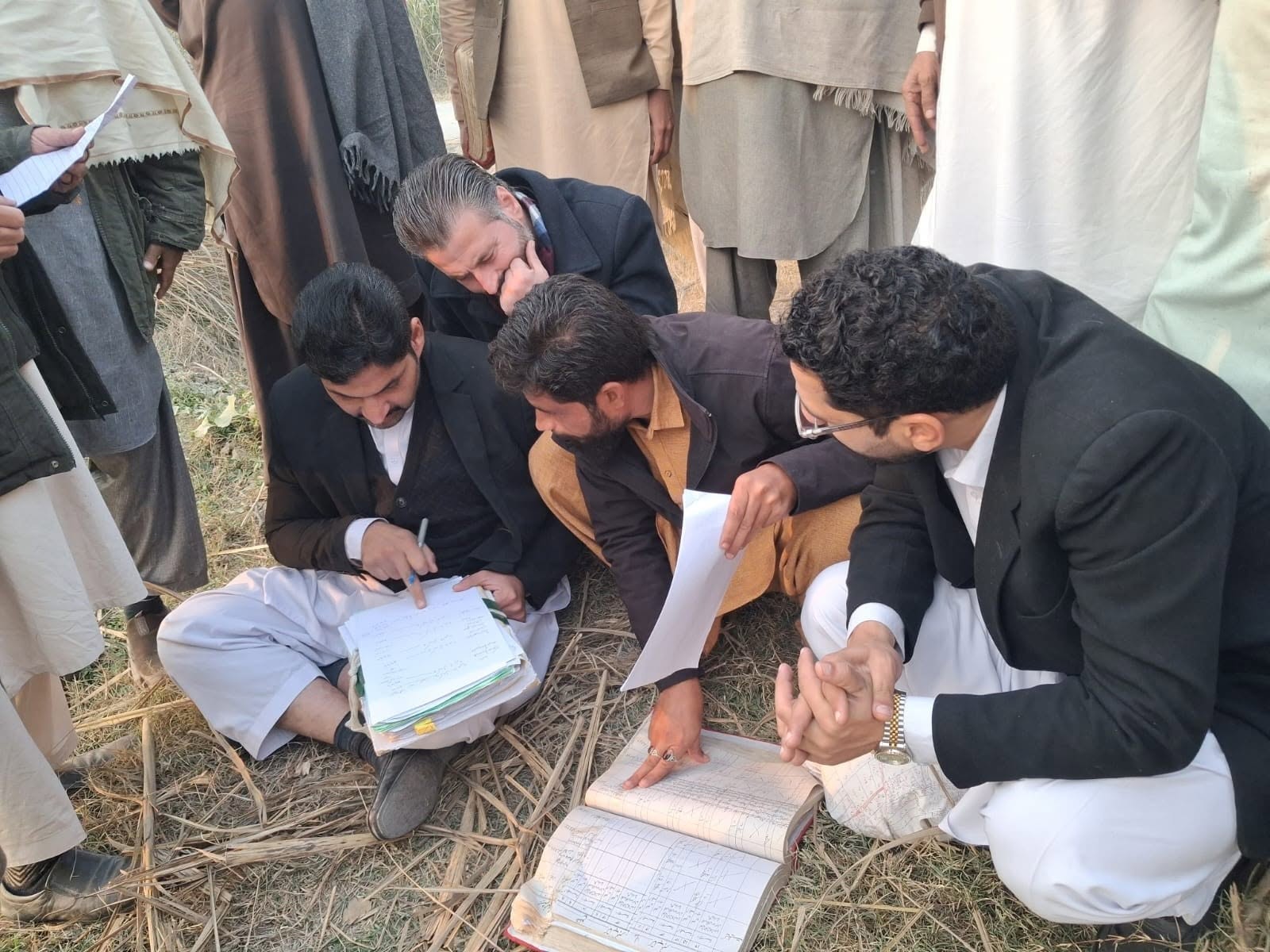
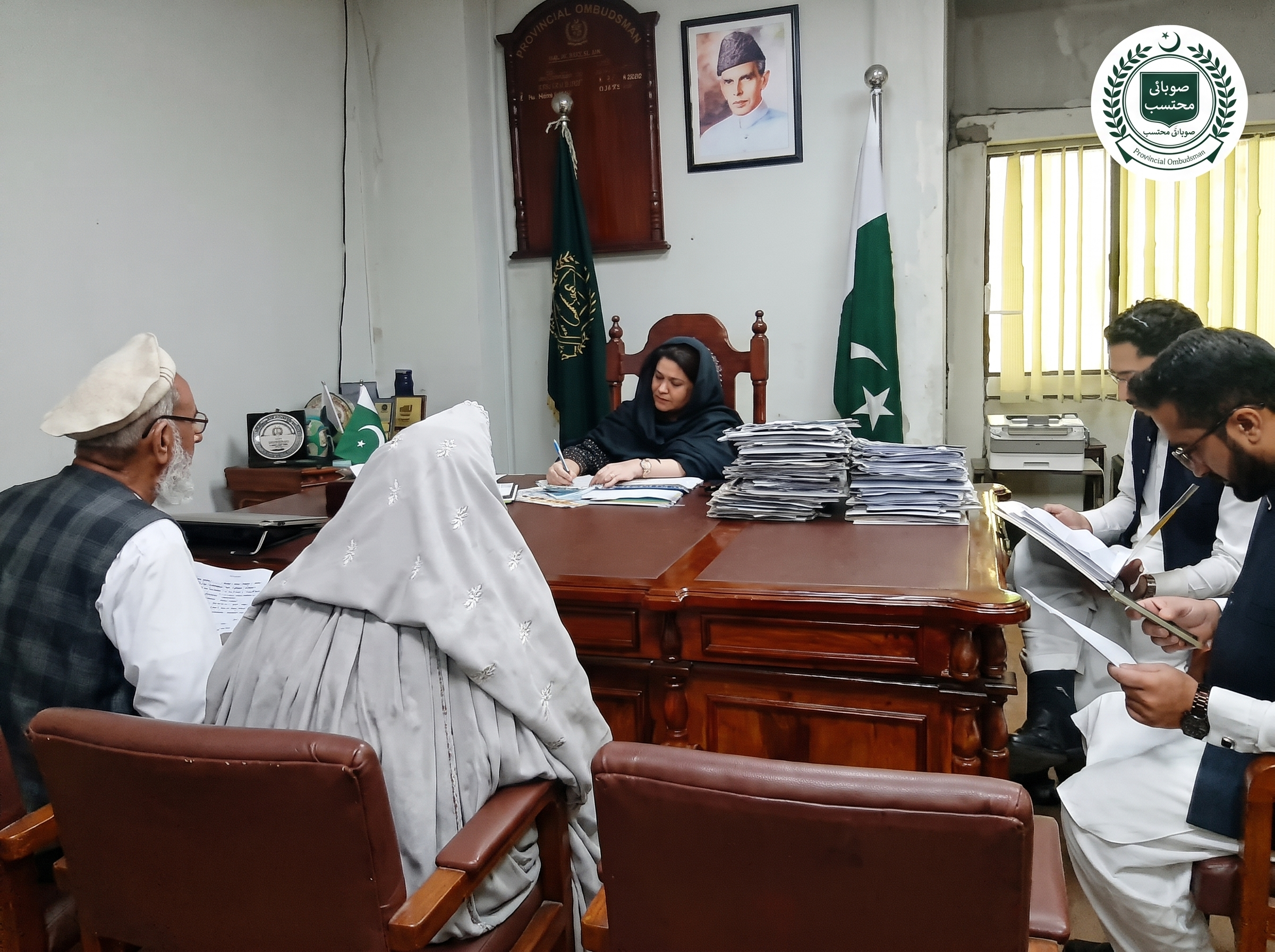
Field verification by Ombudsperson team
On-ground land dispute assessment.
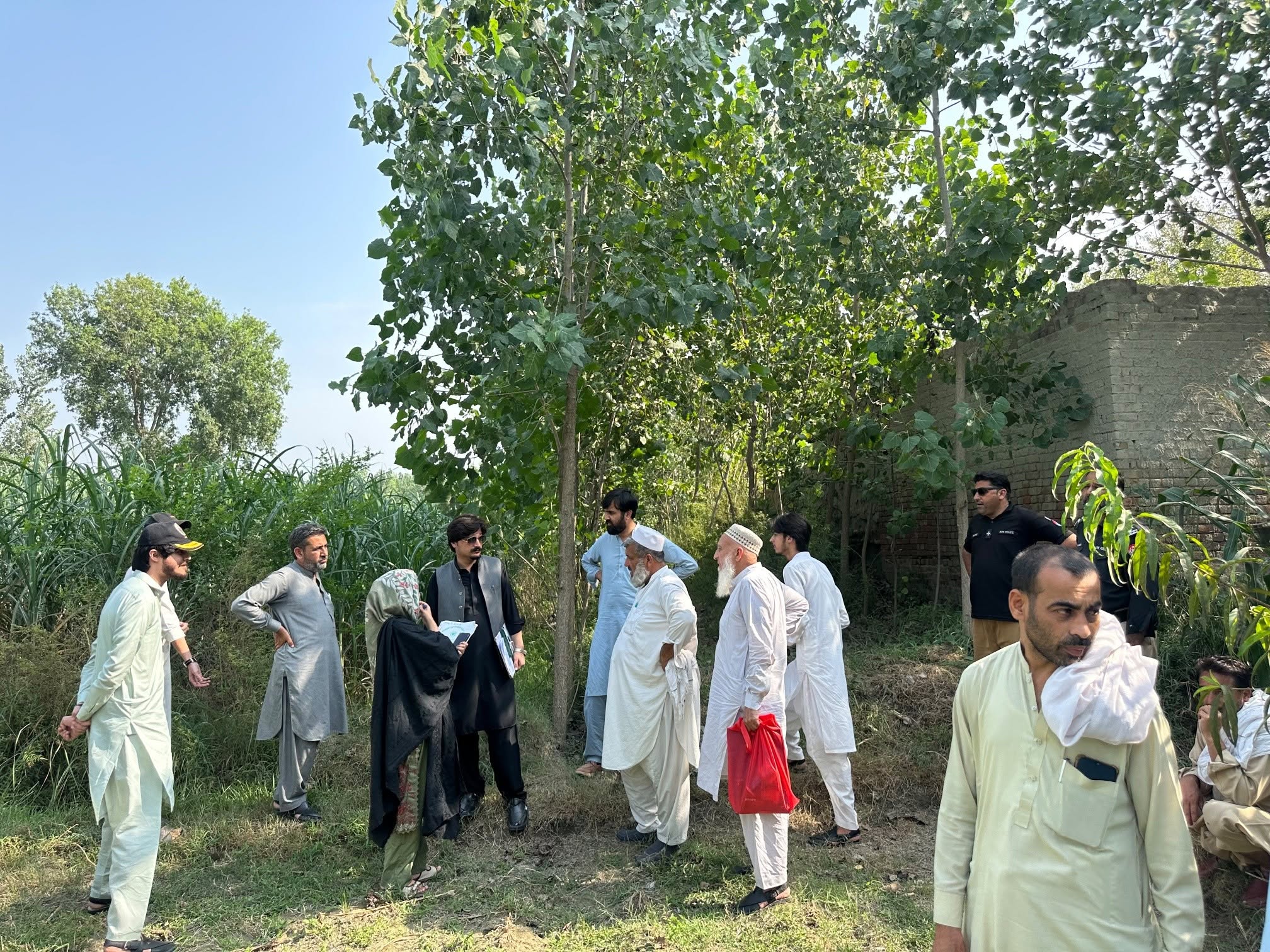
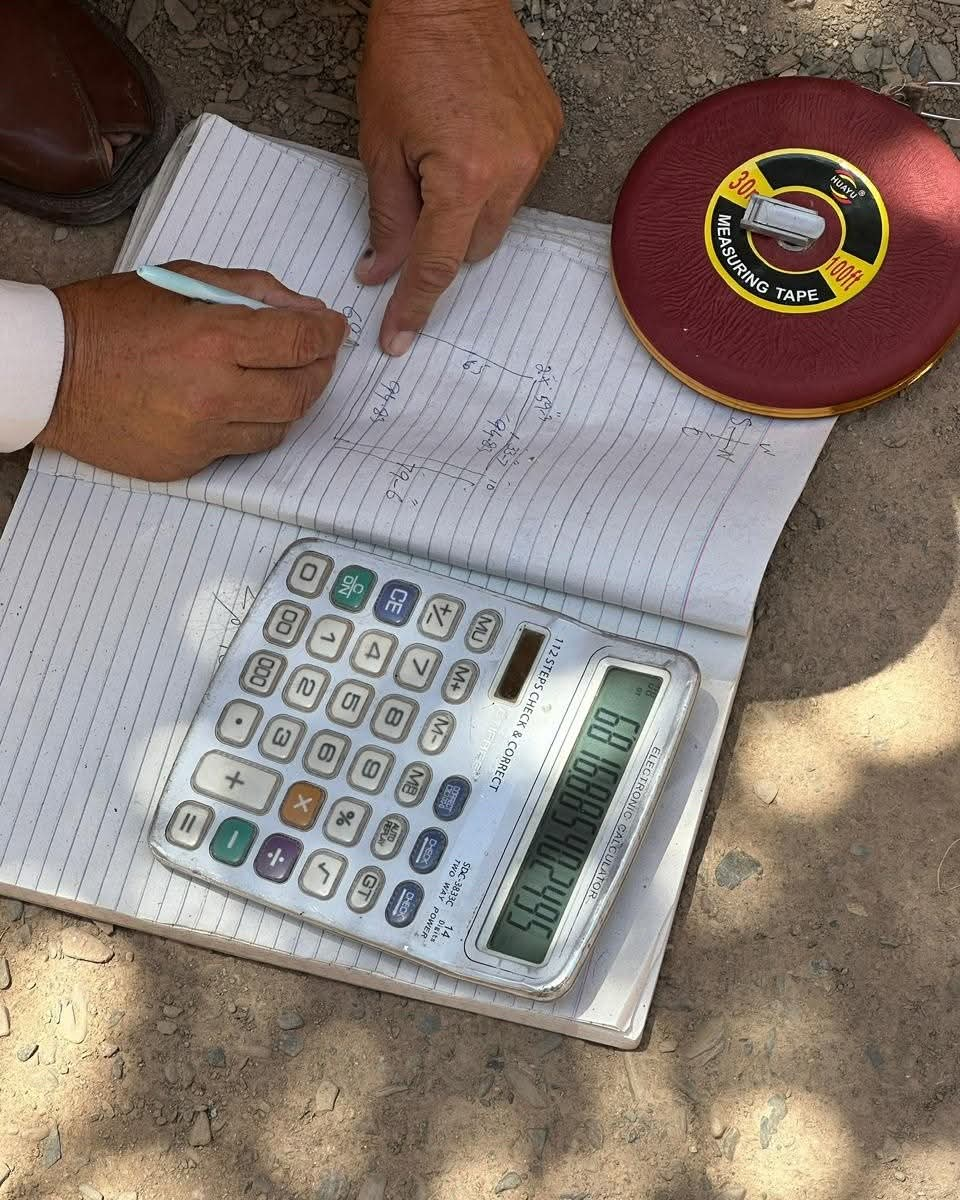
Review of revenue records in field
Reviewing local revenue records.
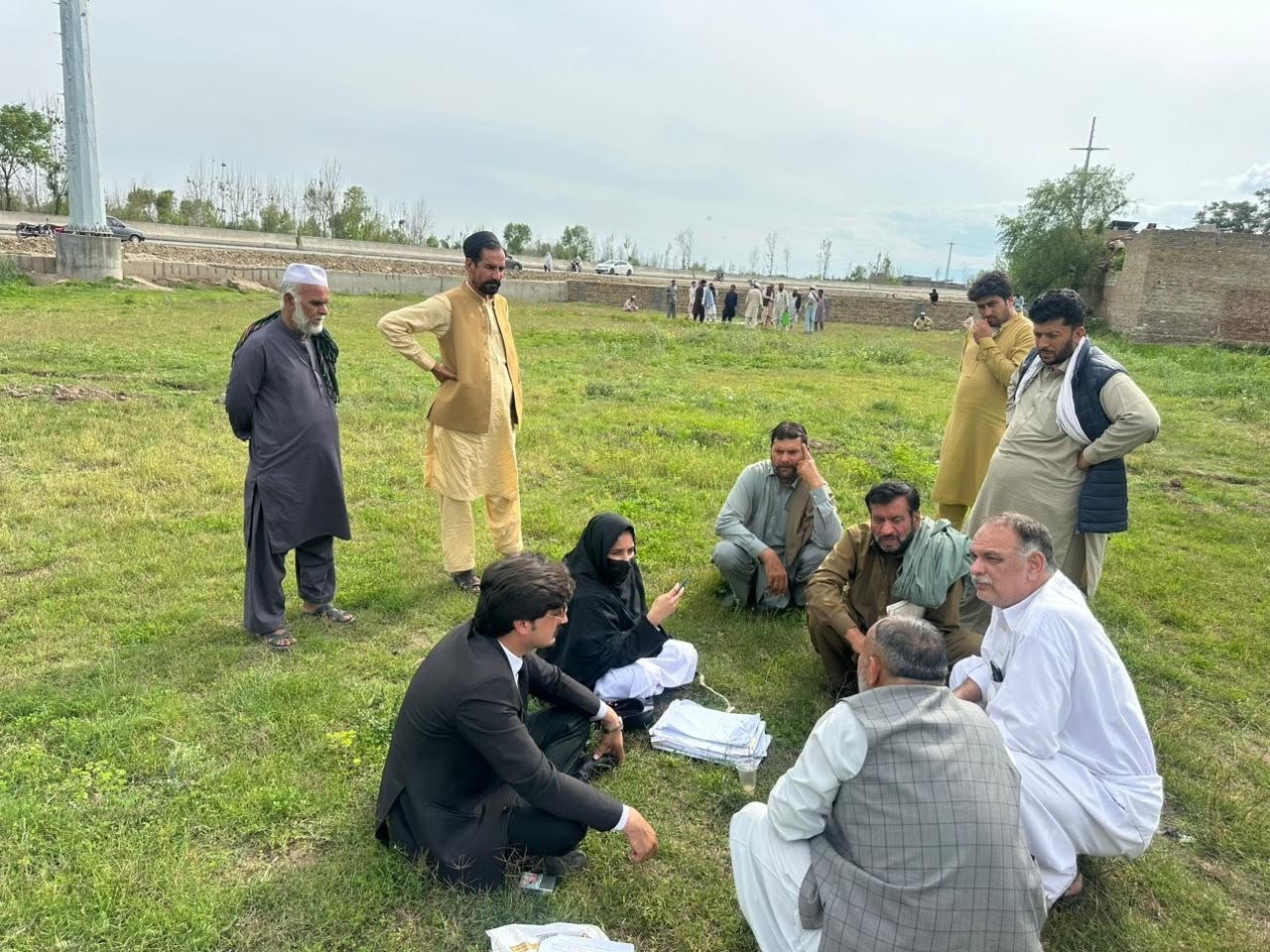
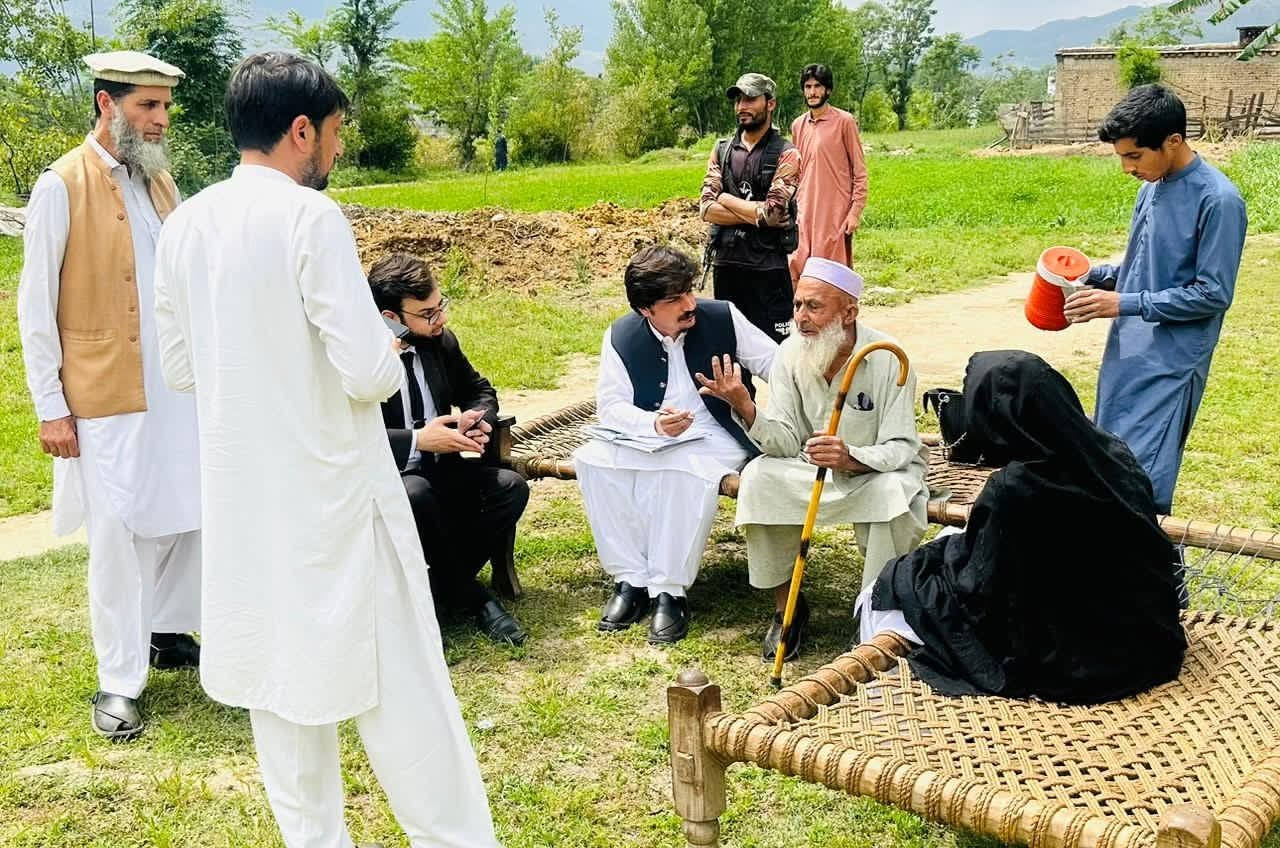
Hearing public grievances
Securing legal rights of complainants.
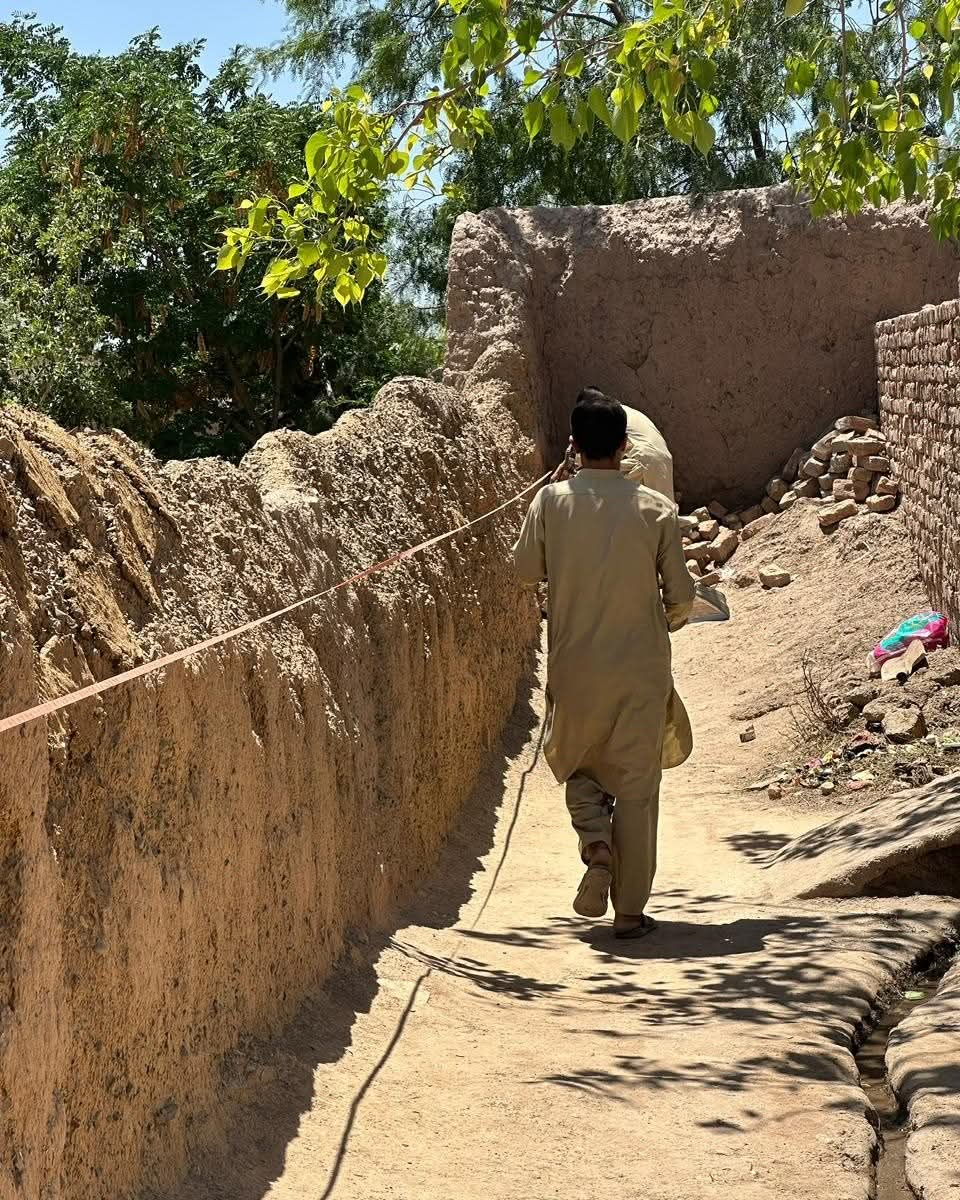
Coordination with local revenue officials.
Boundary demarcation and recovery.
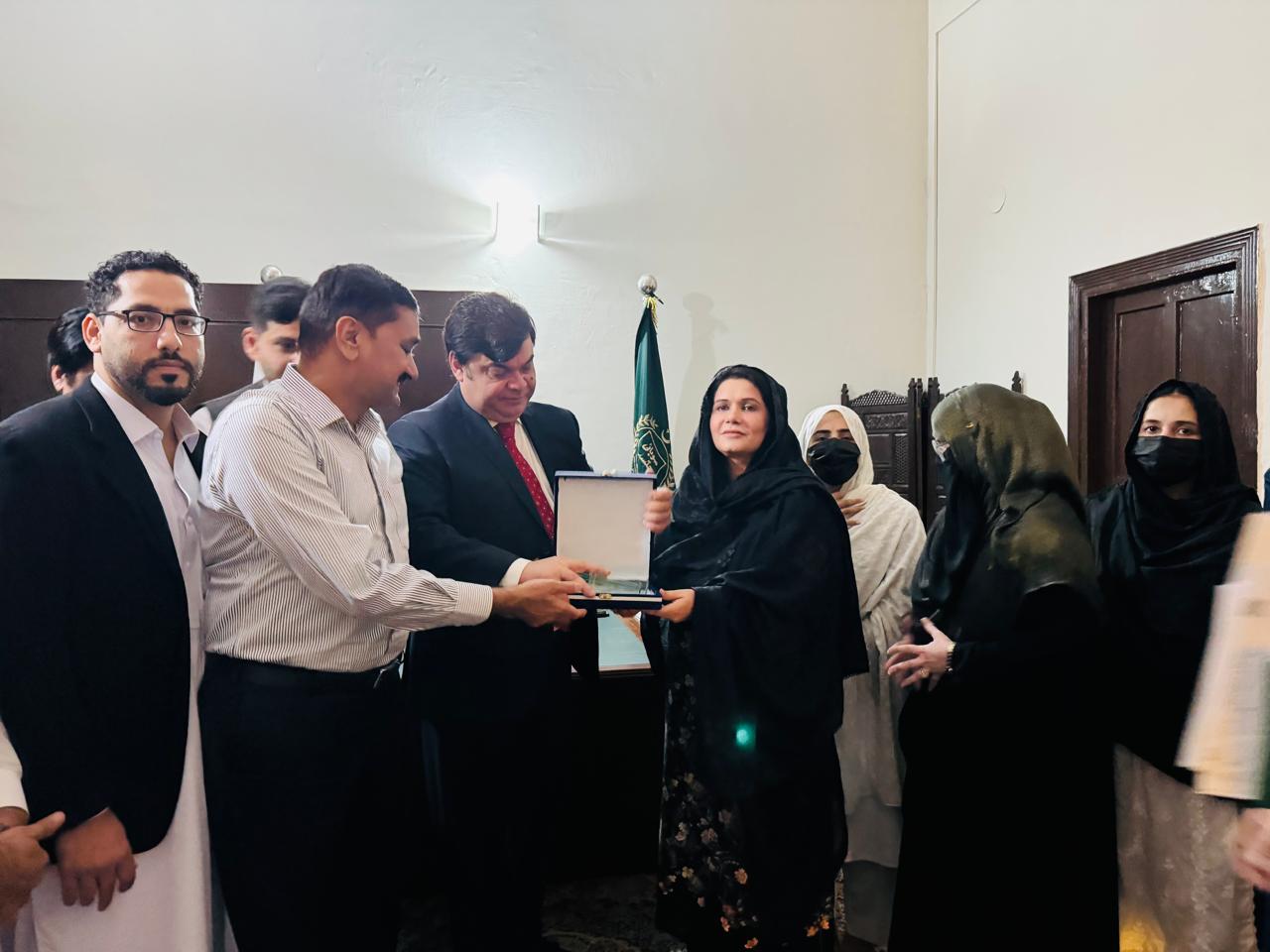
Public hearing and rights restoration.
PKR 4.1B+ Value of Land Restored
100% Direct Field Verifications
In Person Dispute Reconciliation
Annual Report 2025-2026 (Tentative)

The Open Court Model (Khuli Katchery)

Multi-Divisional Outreach & Case Disposal Overview Across Khyber Pakhtunkhwa

PARTICIPATION TREND OVER DIVISIONS (HOVER POINTS)
D.I. Khan (610) Malakand (1.2k) Bannu / Mardan (1.5k) Hazara (1.65k) Peshawar (2.5k)

Disposed Vs Pending

8,655
305
0 1k 2k 3k 4k 5k 6k 7k 8k 9k
DISPOSAL RATE TRAJECTORY
Registration Verification Hearings Directives 97.6% Relief

Complaint Disposal Overview

Pending (2.4%)
Disposed: 97.6%
97.6% Disposed
Disposed
19,000 Hearings Conducted
700+ Cases Disposed
80–120 Hearings Per Day

Of the complaints brought before the Office, more than 700 cases have been disposed of to date, meaning that a final decision or order has been issued and the matter has been formally closed. A complaint typically moves through several stages before a decision is reached, including issuance of notice to the respondent, submission of a response, and a hearing of arguments from both parties.

The Office operates as a free-of-cost, accessible forum, with its complaint mechanism intended to provide women across the province with a formal channel through which grievances can be raised and examined. The Office has heard an average of 80 to 120 matters per working day, encompassing both newly registered complaints and ongoing hearings.

🎯 MISSION

Our mission is to ensure that every woman in Khyber Pakhtunkhwa has access to justice promptly, at no cost, and with dignity, whether she is facing harassment in her workplace or asserting her rightful claim to property. We are committed to enforcing the law without exception, strengthening complaint redressal mechanisms, and raising awareness of women's legal rights through outreach across the province, so that no woman is denied her rights on account of fear, financial constraint, or procedural delay. In every case brought before us, our aim remains the same: to be a reliable and accessible institution for the protection of women's rights across the province.
Mission feature 1
Mission feature 2
Vision feature 1
Vision feature 2
VISION 👥

Our vision is a Khyber Pakhtunkhwa in which every woman lives free from harassment and from the fear of losing her property, and in which her rights to a safe workplace and to lawful ownership of property are unconditionally recognised and protected by the institutions of the state. We see access to justice extended equally to every woman across the province, regardless of geography, social standing, or financial means. Realising this vision also means moving gender equality from a policy statement into everyday practice, with women taking their place as equal, dignified partners in the province's progress.

Latest News
News Image
Category

Title

Description text will appear here.

Continued Influx of

Citizens Seeking Justice

Justice

Straight from the people we helped

Citizens Speak

Voice

Trusted Partners

Collaborating with government and civil society institutions to strengthen gender justice and access to rights.

Official Public Assistance & Guidance

Harassment Law & Procedures (FAQs)

Understanding rights, timelines, and legal remedies under The Protection against Harassment of Women at the Workplace Act, 2010.

General & Legal Scope
Definitions Sec. 2(h)
What legally defines workplace harassment under the Act?
Supervision Guideline
Does normal workplace feedback or performance review count?
Coverage Sec. 2(e)
Can men also lodge a complaint under this law?
Jurisdiction Sec. 2(f),(n)
Which institutions and categories of employees are covered?
Complaint Filing & Process
Two Doors Sec. 8(1)
Where do I file? (Internal Committee vs Provincial Ombudsperson)
Timelines Sec. 4
What is the exact step-by-step inquiry timeline?
Powers Sec. 10
What legal authority does the Provincial Ombudsperson exercise?
Legal Protections & Penalties
Evidence Code Sched. I
Will delay in reporting or lack of witnesses weaken the case?
Protection Sec. 4(3)(d)
What safeguards prevent workplace retaliation?
Penalties Sec. 4(4) & 10(2)
What minor and major penalties can be imposed?
Appeals Sec. 6 & 9
How and where do you file an appeal?
False Claims Sec. 5(3)
What action is taken if an allegation is fabricated?
Section 2(h) • Legal Definition

What legally defines workplace harassment under the Act?

Workplace harassment is legally recognized as any unwelcome sexual advance, request for sexual favours, or other verbal, written, or physical conduct of a sexual nature, or sexually demeaning attitude that:

  • Interferes with personal work performance and mental well-being.
  • Creates an intimidating, hostile, or offensive working environment.
  • Is used to penalize someone who refuses, or made a condition for promotion, retention, or pay (Abuse of Authority).

It can manifest across multiple mediums including spoken remarks, unwanted text messages/calls, visual displays, suggestive body language, or physical contact.

Fair Supervision

Does normal workplace feedback or performance review count as harassment?

No. The Act explicitly distinguishes between harassment and legitimate professional supervision.

The following workplace interactions do not constitute harassment:

  • Constructive, professional feedback regarding deadlines and work quality.
  • Administrative directions, performance evaluations, and routine monitoring.
  • Polite professional greetings and official workplace communication.
Section 2(e) • Complainant Eligibility

Can men also lodge a complaint under this law?

Yes. While the legislation was primarily formulated to safeguard female professionals in work environments, its legal wording under Section 2(e) grants equal standing to both women and men to lodge formal complaints.

Every employee, irrespective of gender, has the fundamental right to work in an environment free from intimidation and sexual humiliation.

Section 2(f),(l),(n) • Scope & Territorial Jurisdiction

Which institutions and categories of employees are covered?

The jurisdiction of the Act covers virtually every organized workplace throughout Khyber Pakhtunkhwa:

  • Workforce Categories: Regular permanent staff, contract employees, daily wagers, weekly/monthly workers, hourly staff, interns, and apprentices.
  • Organizations: Government departments, autonomous authorities, universities, colleges, schools, public medical establishments, NGOs, and all private companies.
  • Extended Workspace: Does not stop at the office desk—includes official transit, field trips, guest houses, and any official assignments outside the office.
Section 8(1) • Filing Pathways

Where do I file? (Internal Committee vs Provincial Ombudsperson)

The law gives every aggrieved employee direct access to two independent doors:

Door 1: Internal Inquiry Committee

Submit a formal written complaint within your own institution. Investigated by a 3-member internal committee (mandatorily including at least one woman).

Door 2: Provincial Ombudsperson

Submit your written grievance directly to the Office of the Provincial Ombudsperson KP. You are not required to approach your internal committee first.

Section 4 • Statutory Inquiry Schedule

What is the exact step-by-step inquiry timeline?

Inquiries adhere to strict statutory time limits to ensure prompt justice:

Within 3 Days

The Inquiry Committee delivers written charges and allegations to the accused.

Within 7 Days

The accused must submit a formal written defense statement.

Within 30 Days

The Committee completes the inquiry, examines witnesses on oath, and submits findings.

Within 1 Week

The Competent Authority executes the recommended penalty.

Section 10 • Judicial Powers

What legal authority does the Provincial Ombudsperson exercise?

Under Section 10, the Provincial Ombudsperson operates with the full authority of a Civil Court under the Code of Civil Procedure:

  • Power to summon and enforce the attendance of any person and examine them under oath.
  • Power to compel the discovery and production of any official record or document.
  • Power to enter and inspect workplace premises where relevant evidence exists.
  • Power to punish for contempt with the same authority as the High Court.
Schedule I • Evidence Standards

Will delay in reporting or lack of witnesses weaken the case?

No. The statutory Code of Conduct clearly notes that harassment frequently occurs in secluded or private settings where direct physical witnesses do not exist.

Key Principles:

  • Delay Does Not Weaken: The law acknowledges trauma and fear; reporting after time has elapsed does not dismiss the complaint.
  • Circumstantial Weight: Digital logs, call histories, text messages, immediate reactions, and contemporaneous reports to friends/family carry significant evidential value.
Section 4(3)(d) • Anti-Retaliation

What safeguards prevent workplace retaliation?

The law strictly prohibits any form of punitive action or retaliation against a complainant or witness. Retaliatory behavior itself is treated as an actionable offense:

  • Work Separation: Employers are obligated to adjust rosters, seating, or duties to eliminate contact between parties during proceedings.
  • No Retaliatory Transfers: Demotions, bad performance reports, hostile shift assignments, or spreading malicious gossip are prohibited.
  • Strict Confidentiality: All statements and inquiry details must remain sealed and confidential.
Sections 4(4) & 10(2) • Statutory Punishments

What minor and major penalties can be imposed?

Upon guilt being established, the law provides two categories of penalties:

Minor Penalties

  • Formal censure and official reprimand.
  • Withholding promotion or annual increment for a set period.
  • Stoppage at an efficiency bar.
  • Financial compensation recovered from salary.

Major Penalties

  • Reduction to a lower post or pay scale.
  • Compulsory retirement.
  • Removal from service.
  • Dismissal from service.
  • Substantial fines paid directly to the victim.
Sections 6 & 9 • Appeals Framework

How and where do you file an appeal?

Any party dissatisfied with a decision is entitled to an appeal within a 30-day time limit:

Internal Decisions (Sec. 6)

Appeal against the decision of the internal Competent Authority directly to the Provincial Ombudsperson within 30 days.

Ombudsperson Decisions (Sec. 9)

File a statutory representation against the Ombudsperson’s ruling before the Governor of Khyber Pakhtunkhwa within 30 days.

Section 5(3) • False Accusations

What action is taken if an allegation is fabricated?

Under Section 5(3), if an allegation is proven to have been maliciously fabricated with intent to harm (mala fide), disciplinary proceedings may be initiated against the bad-faith complainant.

Crucial Legal Safeguard: An honest complaint that could not ultimately be substantiated with sufficient proof is never treated as a false complaint. This ensures genuine complainants can come forward without fear.